 (+035) 527-1710-70
 NEWSLETTER

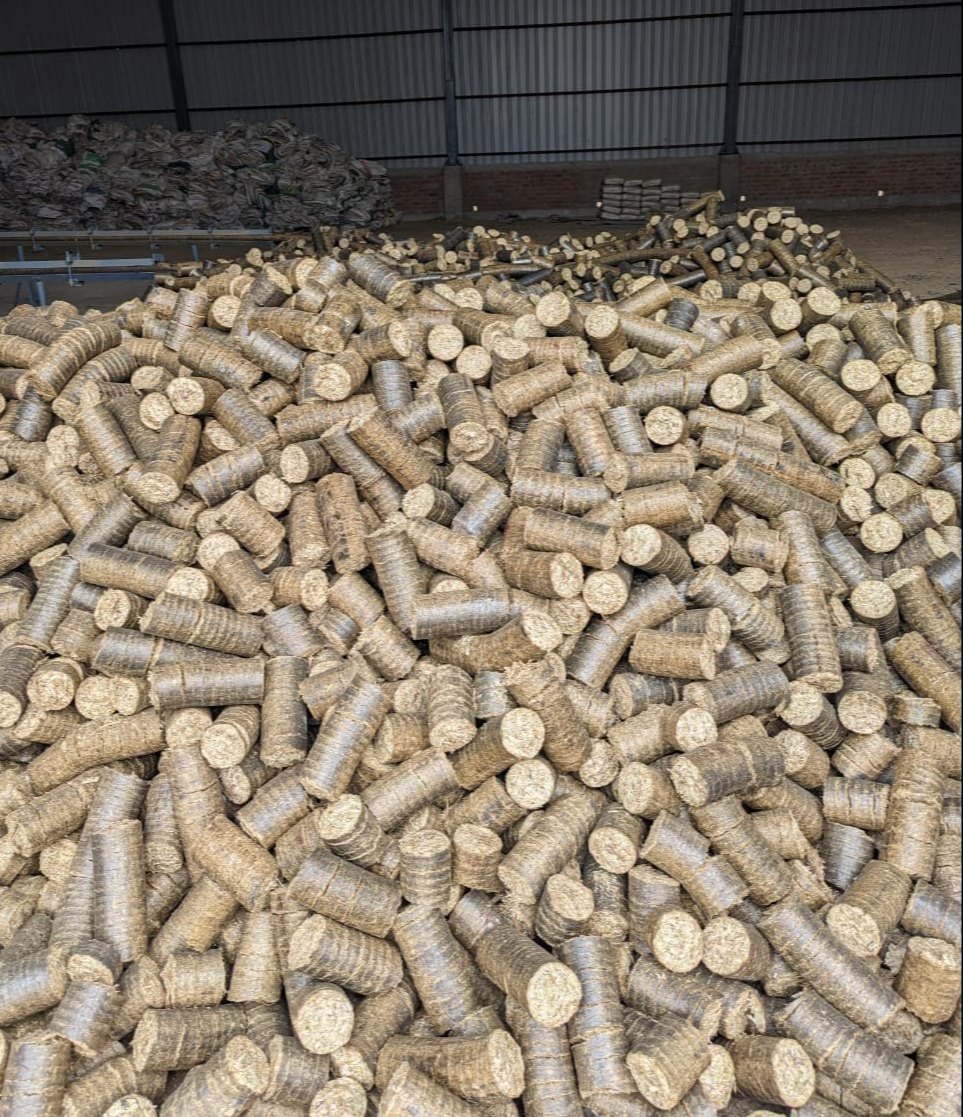
Top 5 Biomass Fuel Options for Cement Plants in India
The cement industry is increasingly adopting alternative fuels to reduce carbon emissions and fuel costs.
1. Mustard Husk Briquettes
Mustard husk briquettes provide excellent calorific value and are widely available in northern India.
Benefits:
- Low ash content
- Consistent combustion
- Renewable fuel source
2. Rice Husk Briquettes
Rice husk is an abundant agricultural residue that offers economical fuel for cement plants.
3. Sawdust Briquettes
Sawdust briquettes provide good heat output and low emissions, making them suitable for industrial boilers.
4. Groundnut Shell Briquettes
Groundnut shell biomass offers high calorific value and efficient combustion.
5. Biomass Pellets
Biomass pellets provide uniform size, easy handling, and automated feeding compatibility.
Advantages of Biomass Fuel in Cement Plants
- Lower carbon emissions.
- Reduced fuel expenses.
- Compliance with environmental regulations.
- Sustainable energy source.
- Reduced dependence on imported coal.
Challenges
- Storage requirements.
- Moisture management.
- Supply chain consistency.
Conclusion
Biomass fuels are becoming a preferred energy source for cement plants seeking sustainable and cost-effective fuel solutions. Mustard husk briquettes, rice husk briquettes, and biomass pellets offer significant operational and environmental benefits.