 (+035) 527-1710-70
 NEWSLETTER

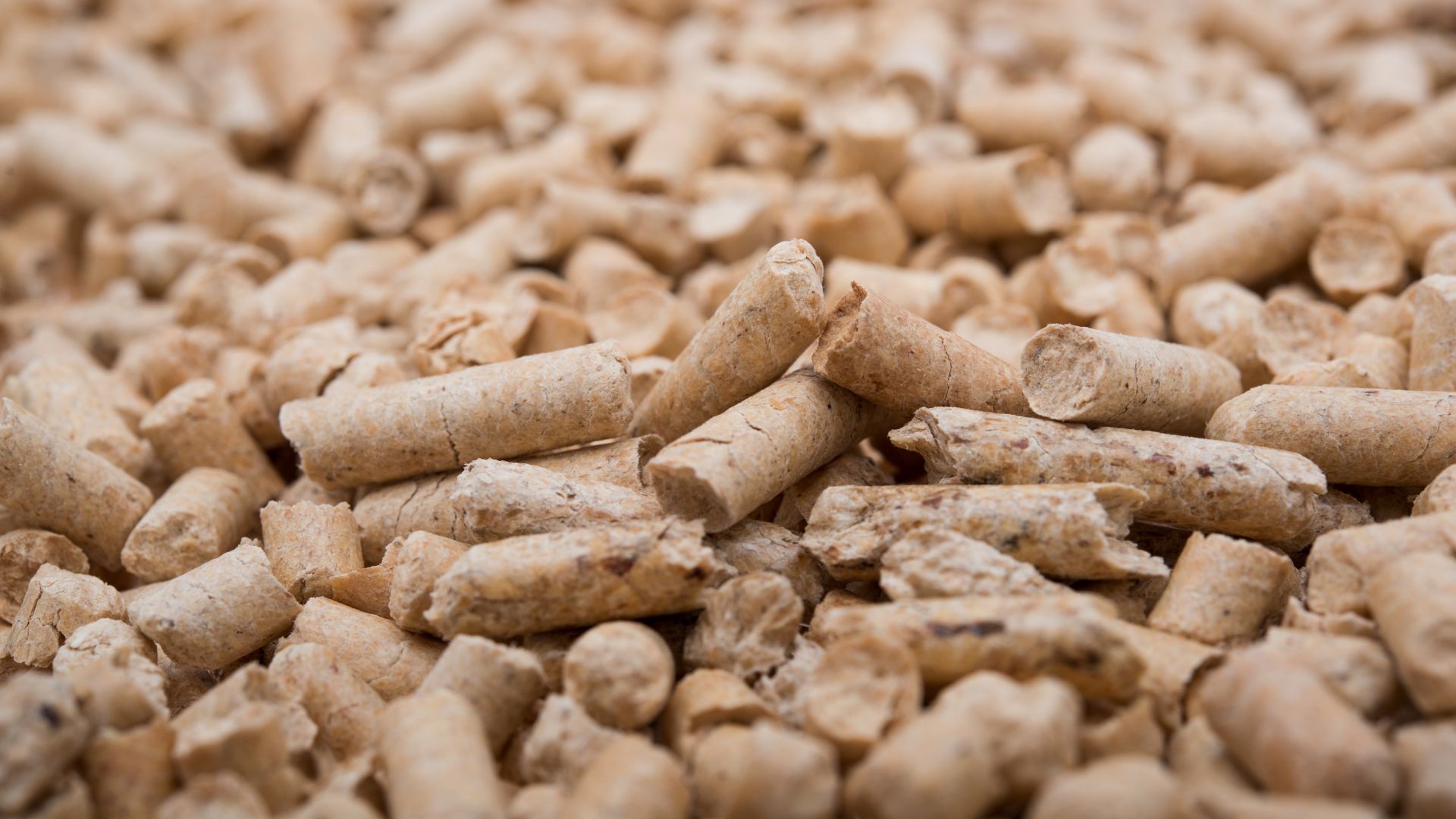
Biomass Briquettes vs Coal: Which Is Better for Industrial Boilers?
Industrial boilers require efficient, cost-effective, and reliable fuel. Traditionally, coal has been the primary fuel source, but increasing environmental concerns and rising fuel costs have encouraged industries to shift toward biomass briquettes.
What Are Biomass Briquettes?
Biomass briquettes are compressed blocks made from agricultural waste such as mustard husk, sawdust, rice husk, groundnut shells, and other biomass residues. They serve as a renewable alternative to fossil fuels.
Comparison Between Biomass Briquettes and Coal
| Factor | Biomass Briquettes | Coal |
| Renewable | Yes | No |
| Carbon Emission | Low | High |
| Sulphur Content | Very Low | High |
| Ash Generation | Low | High |
| Cost Stability | Stable | Fluctuates |
| Environmental Impact | Eco-friendly | Polluting |
Boiler Efficiency
Modern industrial boilers can efficiently operate using biomass briquettes with minor modifications. Biomass offers steady combustion and reduced clinker formation.
Environmental Benefits
- Lower greenhouse gas emissions.
- Reduced dependence on fossil fuels.
- Supports agricultural waste utilization.
- Helps industries meet sustainability goals.
Cost Analysis
Industries often experience lower operational costs due to reduced fuel prices and government incentives promoting renewable energy.
ConclusionFor industries seeking sustainable and economical fuel options, biomass briquettes provide a viable alternative to coal, especially for textile, food processing, and manufacturing sectors.