 (+035) 527-1710-70
 NEWSLETTER

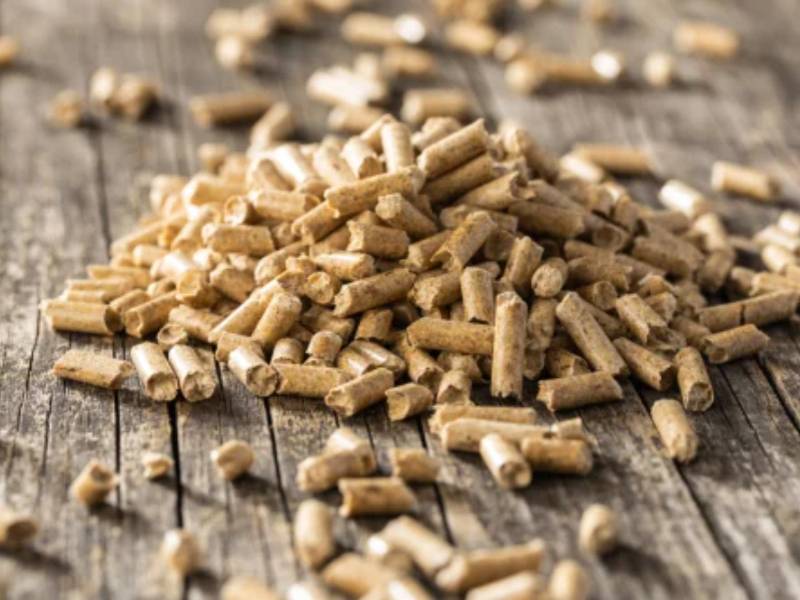
How Mustard Husk Briquettes Are Reducing Fuel Costs for Textile Mills
The textile industry consumes substantial amounts of fuel for boilers and steam generation. Rising coal prices have pushed many textile mills to adopt mustard husk briquettes.
What Are Mustard Husk Briquettes?
Mustard husk briquettes are manufactured by compressing mustard processing waste into high-density fuel blocks. They provide consistent combustion and excellent heat output.
Why Textile Mills Prefer Mustard Husk Briquettes
1. Lower Fuel Costs
Mustard husk briquettes often cost significantly less than coal, helping textile units reduce operational expenses.
2. Consistent Heat Generation
Uniform density ensures stable combustion and efficient steam generation.
3. Lower Ash Content
Reduced ash means less maintenance and cleaning costs.
4. Eco-Friendly Operations
Textile brands increasingly demand sustainable manufacturing practices, making biomass fuels an attractive option.
Case Example
Several textile units in India have reported fuel cost savings ranging from 15% to 30% after switching from coal to mustard husk briquettes.
Additional Benefits
- Reduced boiler maintenance.
- Lower transportation costs.
- Better compliance with pollution regulations.
- Improved brand sustainability.
Conclusion
Mustard husk briquettes have emerged as an economical and environmentally responsible fuel solution for textile mills.